
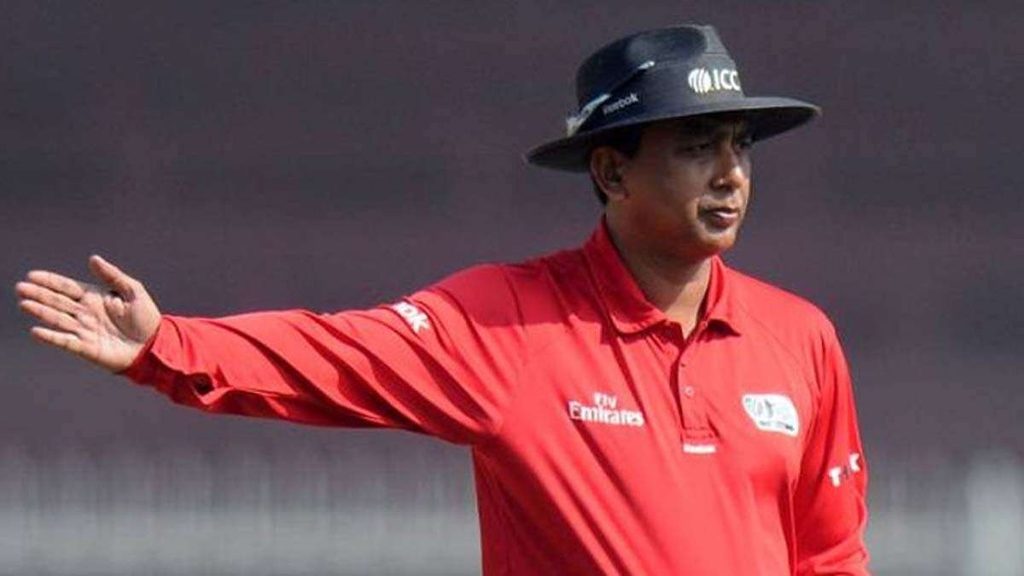
A no ball in cricket is an illegal delivery that breaks one or more bowling or fielding rules. The umpire signals it by extending one arm horizontally. Under the standard Laws of Cricket, the batting team receives one penalty run, and the delivery does not count as one of the six valid balls in an over.
A no ball can occur when a bowler oversteps the crease, uses an illegal bowling action, delivers a dangerous ball or breaches specific fielding rules. In limited overs cricket, it can also give the batting team a free hit on the next delivery. Understanding the different types of no balls helps fans follow umpiring decisions, scorecards and important moments in a match.
What Is a No Ball in Cricket?
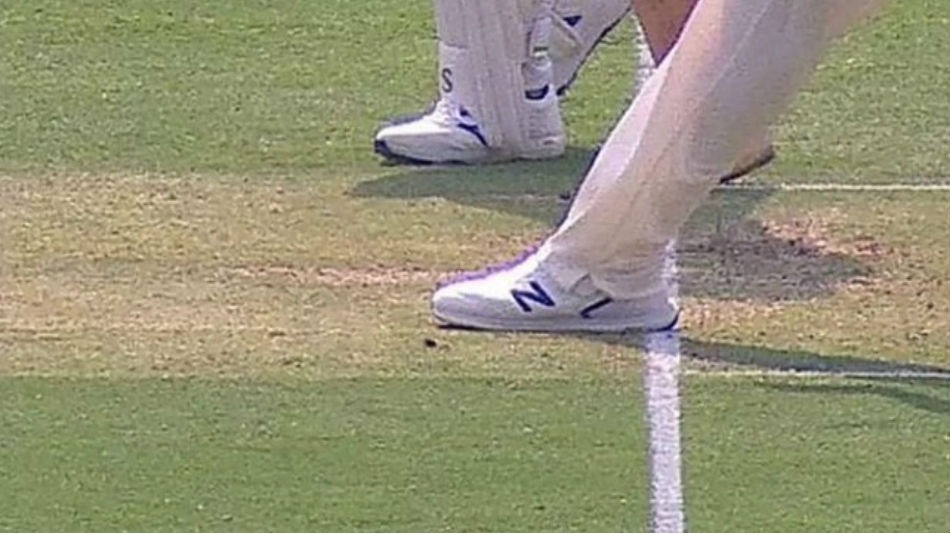
Source: mykhel
A no ball is a delivery that the umpire declares illegal under the applicable Laws of Cricket or competition playing conditions. The most familiar example is a front foot no ball, which occurs when the bowler fails to land some part of the front foot behind the popping crease while meeting the other foot placement requirements.
However, a no ball is not limited to foot faults. It can also result from an illegal bowling action, a delivery that bounces more than once before reaching the popping crease, a dangerous delivery or certain fielding infringements.
Under MCC Law 21, the umpire calls and signals a no ball when the delivery breaches the relevant requirements. The ball generally remains in play after the call, allowing batters to score runs and the fielding team to attempt permitted dismissals. A no ball also carries a one run penalty and does not count as a valid delivery in the over.
What Are the Different Types of No Balls in Cricket?
There are several types of no balls in cricket, depending on the bowler’s foot placement, bowling action, delivery or the fielding team’s conduct. The applicable rules can also vary according to the competition.
| Type of No Ball | Why It Is Called | Example |
| Front foot no ball | The front foot fails to meet the requirements of Law 21.5.2 | The bowler lands the entire front foot beyond the popping crease |
| Back foot no ball | The back foot lands outside or touches the relevant return crease | The bowler’s back foot touches the return crease during the delivery stride |
| Illegal bowling action | The ball is thrown or delivered underarm without the required prior agreement | The bowler straightens the elbow illegally during the delivery action |
| Waist high full toss | A full toss passes or would have passed the striker above waist height and is judged dangerous under Law 41.7 | A fast ball reaches the batter above waist height without pitching |
| Dangerous short pitched delivery | The delivery breaches the applicable provisions for dangerous or unfair short pitched bowling under Law 41.6 | A bowler delivers a short pitched ball that the umpire judges dangerous or unfair |
| Multiple bounce or rolling ball | The ball bounces more than once or rolls along the ground before reaching the popping crease | The ball bounces twice before reaching the popping crease |
| Ball pitching off the pitch | The ball pitches wholly or partly outside the pitch before reaching the striker’s wicket | The delivery lands beyond the defined pitch area |
| Change of delivery mode without notification | The bowler changes the bowling hand or switches between over the wicket and round the wicket without informing the umpire | A right arm bowler changes to left arm bowling without notifying the umpire |
| Fielder encroaching on the pitch | A fielder breaches the pitch encroachment rule under Law 28.5 | A fielder has a prohibited part of the body on or above the pitch before the ball reaches the striker |
| Wicketkeeper positioning infringement | The wicketkeeper fails to meet the applicable positioning requirements under Law 27.3 | The wicketkeeper is not wholly behind the striker’s wicket at the required time |
| Bowler breaking the wicket during delivery | The bowler breaks the wicket during the period specified in Law 21.6, subject to its exception | The bowler accidentally breaks the stumps with clothing during the delivery stride |
| Ball coming to rest in front of the striker’s wicket | The ball comes to rest in front of the wicket or is so far from the pitch that the striker would need to leave it to play the ball | The ball stops before reaching the striker’s wicket without previously touching the bat or the striker |
Sources: MCC Laws 21, 27, 28 and 41. The precise application of these rules depends on the relevant law and competition playing conditions.
What Changed on 1 October 2026?
The MCC’s fourth edition of the 2017 Code of the Laws of Cricket took effect on 1 October 2026. One important change concerns deliveries that pass above the striker’s head after pitching.
Under the updated Laws, this provision is covered by Law 22.1.3, which deals with a wide ball, rather than the former automatic head height no ball provision under Law 21.10. A single delivery that passes or would have passed above head height after pitching is therefore treated as a wide under the updated MCC Laws, provided it is not a no ball for another reason.
However, dangerous or unfair short pitched bowling can still result in a no ball under Law 41.6. The change does not mean that every high bouncer is automatically a wide regardless of the circumstances. Umpires must still apply the relevant rules and playing conditions.
This distinction is particularly important when comparing older cricket explainers with the current Laws. International cricket had already used its own playing conditions for such deliveries, so the rules applicable to a particular match should always be checked.
What Is a Front Foot No Ball in Cricket?
A front foot no ball occurs when the bowler fails to land some part of the front foot behind the popping crease during the delivery stride. The front foot may be grounded or raised, but it must also land on the correct side of the imaginary line joining the middle stumps, as specified in Law 21.5.2.
If the bowler’s front foot fails to meet these requirements, the umpire calls a no ball. The decision does not depend on whether the batter hits the delivery or scores runs.
Back foot no balls are also possible. Under Law 21.5.1, the bowler’s back foot must land within and must not touch the relevant return crease for the stated mode of delivery. If it fails to meet this requirement, the umpire can call a no ball.
These rules help ensure that bowlers deliver the ball from a legal position and follow the required conditions during their delivery stride.
What Happens When a Bowler Delivers a No Ball?
A no ball affects the score, the number of valid deliveries in the over and, in certain competitions, the dismissal options available to the fielding team.
1. The Batting Team Gets One Extra Run
Under MCC Law 21, a no ball carries a penalty of one run. This is recorded as a no ball extra. Any additional runs scored by the batters or awarded under the relevant scoring rules are added separately.
For example, if a batter hits a no ball for four, the batting team normally receives five runs in total: one no ball extra and four runs from the bat.
2. The Delivery Does Not Count in the Over
A standard over consists of six valid deliveries. A no ball does not count as one of those six deliveries, so the bowler must deliver another ball to complete the over.
For example, if a bowler delivers a no ball on what would otherwise be the sixth delivery, another ball must be bowled. If the next delivery is also a no ball or wide, it does not count either. The over continues until the required number of valid deliveries has been completed.
3. A Free Hit May Follow
Under the applicable ICC ODI and T20I playing conditions, a no ball is followed by a free hit. The free hit applies to all types of no balls, not just front foot no balls.
On a free hit, the batter is protected from most ordinary forms of dismissal, with the permitted dismissals governed by the applicable playing conditions. If the free hit delivery is itself an illegal delivery, the free hit carries forward to the next delivery under the relevant conditions.
A free hit is not a universal feature of every form of cricket. Standard international Test match playing conditions do not provide the same general free hit provision as ODI and T20I cricket. Domestic competitions may have their own rules.
4. The Batter Can Still Score Runs
A no ball does not automatically end the delivery. Unless the umpire also calls dead ball or another rule makes the ball dead, it remains in play and batters can attempt runs or hit a boundary.
The one run penalty is recorded separately from runs scored off the bat, byes or leg byes. For example, if the batter hits the ball for two runs, the batting team can receive three runs in total, subject to the applicable scoring rules.
Can a Batter Be Out on a No Ball?
Source: India TV News
A no ball prevents most ordinary dismissals, but it does not make the batter completely safe. Under MCC Law 21.18, the permitted methods of dismissal are limited to run out, obstructing the field and hit the ball twice.
| Dismissal Type | Possible on a No Ball? |
| Bowled | No |
| Caught | No |
| Leg before wicket | No |
| Stumped | No |
| Hit wicket | No |
| Run out | Yes |
| Obstructing the field | Yes |
| Hit the ball twice | Yes |
Source: MCC Law 21.18, Out from a No Ball.
For example, if a batter hits a no ball into the field and attempts a run, a fielder can still run them out. However, if the ball passes the bat and hits the stumps, the batter cannot be dismissed bowled from that delivery.
What Is the Difference Between a No Ball and a Wide?
A no ball and a wide are both illegal deliveries, but they are called for different reasons. A no ball can result from a foot fault, an illegal bowling action, a dangerous delivery or a specific fielding infringement. A wide is called when the delivery falls outside the applicable reach requirements for the striker, including the relevant head height provision in the updated MCC Laws.
| Point | No Ball | Wide Ball |
| Main reason | An illegal delivery or a specific breach of the Laws | The delivery is too far from the striker to be played with a normal cricket stroke, or meets another applicable wide criterion |
| Standard penalty | One extra run | One extra run |
| Counts in the over | No | No |
| Free hit | Follows in ICC ODI and T20I cricket under the applicable playing conditions | Does not normally create a free hit by itself |
| Can override the other call? | Yes, a no ball takes precedence over a wide | If the delivery is called a no ball, it is scored as a no ball rather than a wide |
Sources: MCC Laws 21 and 22, together with the applicable ICC playing conditions.
If a delivery meets the conditions for both calls, the no ball decision takes precedence. For example, a delivery that is wide of the batter but also results from a front foot fault is scored as a no ball.
How Do Umpires Signal a No Ball?
The umpire signals a no ball by extending one arm horizontally to the side. The signal informs the players, scorers and spectators that the delivery has been ruled illegal.
In professional cricket, technology can assist with front foot decisions. Depending on the competition, the third umpire or an automated system may check whether the bowler has overstepped. Other decisions, such as whether a delivery is dangerous or whether a fielding rule has been breached, require the umpires to apply the relevant Laws and playing conditions.
The signal matters because it affects the score and the count of valid deliveries. In international ODI and T20I cricket, it also determines whether the next delivery becomes a free hit.
FAQs
A no ball gives the batting team one penalty run under the standard Laws of Cricket. Any additional runs scored by the batters or awarded as byes, leg byes or boundary allowances are calculated separately under the scoring rules.
No. A no ball does not count as one of the six valid deliveries in an over. The bowler must deliver another ball, and the over continues until the required number of valid deliveries has been completed.
No. Under the applicable ICC ODI and T20I playing conditions, a free hit follows every type of no ball, including front foot and other no balls. Standard international Test match conditions do not generally provide this free hit rule.
No. A batter cannot be dismissed bowled from a no ball. Under MCC Law 21.18, the permitted dismissals are run out, obstructing the field and hit the ball twice.
The front foot no ball is one of the most familiar types in cricket. It occurs when the bowler fails to land the required part of the front foot behind the popping crease while also meeting the other foot placement conditions.
Under the MCC Laws effective from 1 October 2026, a delivery that passes or would have passed above the striker’s head after pitching falls under the wide provisions in Law 22.1.3. However, a delivery may still be called a no ball for another applicable infringement, including dangerous or unfair short pitched bowling.
Both deliveries are illegal and neither counts towards the six valid balls in the over. Each no ball carries its own one run penalty. In ICC ODI and T20I cricket, the free hit continues if the delivery designated as a free hit is itself a no ball or wide, under the applicable playing conditions.
Conclusion
A no ball in cricket is an illegal delivery that gives the batting team one penalty run and does not count towards the six valid deliveries in an over. It can result from a front foot or back foot fault, an illegal bowling action, a dangerous delivery or certain breaches of the fielding rules.
The distinction between a no ball and a wide is also important, particularly following the MCC law change effective 1 October 2026 concerning deliveries passing above head height after pitching. In international ODI and T20I cricket, every type of no ball also leads to a free hit under the applicable ICC playing conditions.
Understanding these rules helps fans interpret umpire signals, follow scorecards and understand how an illegal delivery can affect a match.