
A standard cricket over contains six legal deliveries, but wides and no balls can force a bowler to deliver additional balls. Repeated illegal deliveries can increase the batting team’s score and turn a routine over into a costly spell.
Bert Vance bowled the famous 22 ball over for Wellington against Canterbury in 1990, conceding 77 runs. Other notable incidents include John Hastings’ 18 ball over in 2025, Mohammad Sami’s 17 ball ODI over in 2004 and Curtly Ambrose’s 15 ball Test over in 1997. These incidents show how bowling accuracy can affect a match across different formats.
Top 10 Longest Overs in Cricket History
The following table ranks ten notable overs by the number of deliveries bowled. It includes incidents from first class cricket, international cricket and the World Championship of Legends. The records cover different formats and competitions.
| Rank | Bowler | Match or Competition | Balls in Over |
| 1 | Bert Vance | Wellington vs Canterbury, 1990 | 22 |
| 2 | John Hastings | Australia Champions vs Pakistan Champions, 2025 | 18 |
| 3 | Mohammad Sami | Pakistan vs Bangladesh, Asia Cup 2004 | 17 |
| 4 | Curtly Ambrose | West Indies vs Australia, 1997 | 15 |
| 5 | Daryl Tuffey | New Zealand vs Australia, 2005 | 14 |
| 6 | Scott Boswell | Leicestershire vs Somerset, 2001 | 14 |
| 7 | Naveen ul Haq | Afghanistan vs Zimbabwe, 2024 | 13 |
| 8 | Arshdeep Singh | India vs South Africa, 2025 | 13 |
| 9 | Jeremy Gordon | USA vs Canada, T20 World Cup 2024 | 11 |
| 10 | Barry McCarthy | Ireland vs Sri Lanka, T20 World Cup 2026 | 11 |
1. Bert Vance: The Famous 22 Ball Over
Source: ETV Bharat
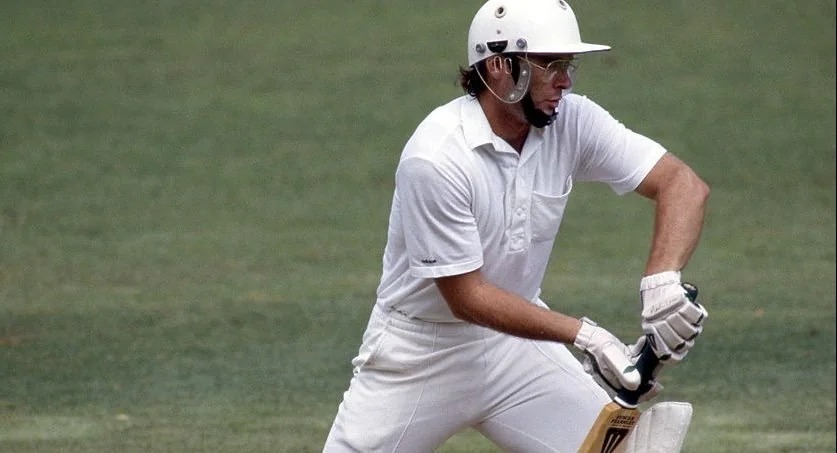
Bert Vance bowled the famous 22 ball over during a Shell Trophy match between Wellington and Canterbury in Christchurch on 20 February 1990. Wellington needed a win to secure the domestic title, while Canterbury were playing for a draw. Vance conceded 77 runs in the over, with Lee Germon scoring 70 of them.
The unusual tactic failed to produce a Wellington victory, and the match ended in a draw with Canterbury one run short of their target. Wellington were subsequently penalised for bringing the game into disrepute. The incident remains one of cricket’s most extraordinary examples of an over becoming both unusually long and exceptionally expensive.
2. John Hastings: An 18 Ball Over in 2025
Source: FOX Sports
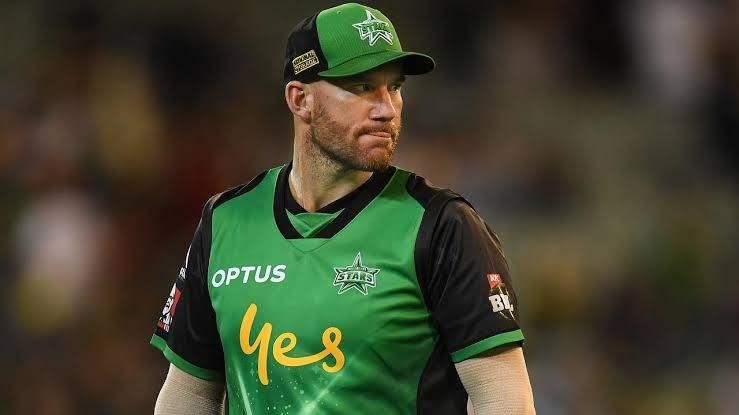
John Hastings bowled an 18 ball over for Australia Champions against Pakistan Champions in the World Championship of Legends in July 2025. The over included 12 wides and one no ball, making it difficult for Hastings to complete the required legal deliveries.
Pakistan chased a target of 75 and won by 10 wickets. The repeated extras helped the batting side progress towards victory and made Hastings’ over one of the most memorable incidents of the tournament. It also showed how a loss of bowling control can quickly affect a team’s chances.
3. Mohammad Sami: A 17 Ball ODI Over
Pakistan fast bowler Mohammad Sami delivered a 17 ball over against Bangladesh during the Asia Cup in Colombo in July 2004. He bowled seven wides and four no balls, conceding 22 runs in the over. Sami had dismissed Mohammad Ashraful in his opening over before producing this unusually expensive spell.
Despite the incident, Sami still contributed to Pakistan’s victory and finished with figures of 3 for 38. Pakistan bowled Bangladesh out for 166 and won by six wickets. The over remains a notable ODI record because repeated illegal deliveries extended it far beyond the usual six legal balls.
4. Curtly Ambrose: A 15 Ball Test Over
Curtly Ambrose bowled a 15 ball over against Australia during the Perth Test in February 1997. The over contained nine no balls and was delivered to Shane Warne and Andy Bichel. Reports stated that it took 12 minutes to complete, making it an unusual episode in a high level Test match.
Ambrose was renowned for his pace, accuracy and discipline, which made the incident especially memorable. Repeated overstepping disrupted his rhythm and prolonged the over. It demonstrated that even a leading international bowler can struggle to maintain control during a difficult spell.
5. Daryl Tuffey: A 14 Ball ODI Over
New Zealand fast bowler Daryl Tuffey bowled a 14 ball over against Australia in February 2005. The over included four wides and four no balls, giving Australia additional scoring opportunities without reducing the number of legal deliveries required.
The difficult spell put pressure on Tuffey during a challenging series against Australia. Repeated illegal deliveries can disrupt a captain’s bowling plans and allow the batting team to build momentum. Tuffey’s over became a notable example of how poor control can affect a bowler’s performance in international cricket.
6. Scott Boswell: A Difficult Over in a Major Final
Source: TV9 Telugu
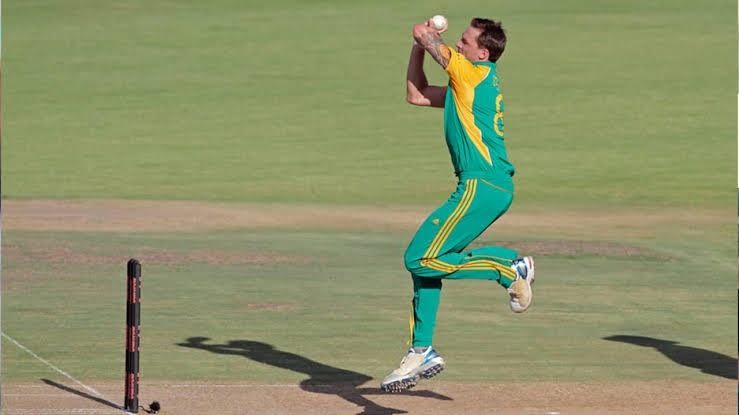
Scott Boswell bowled a 14 ball over for Leicestershire against Somerset in the C&G Trophy final at Lord’s in 2001. His over included eight wides, extending it well beyond the usual six legal deliveries and creating an unwanted moment in a major domestic final.
The incident became memorable because it occurred during a high profile match. Repeated wides gave Somerset extra opportunities to score and made it harder for Boswell to regain his rhythm. The over remains an example of the pressure bowlers can face during important matches.
7. Naveen ul Haq: A 13 Ball T20I Over
Afghanistan fast bowler Naveen ul Haq bowled a 13 ball over against Zimbabwe during a T20 International in Harare on 11 December 2024. The over included six wides and one no ball, costing 19 runs. Naveen also took a wicket during the over, combining an expensive spell with an important breakthrough.
Zimbabwe eventually won the match by four wickets while chasing Afghanistan’s target of 145. The extra deliveries helped Zimbabwe’s pursuit and increased pressure on the Afghan bowling attack. Naveen’s over became a major talking point because the repeated wides and no ball extended the 15th over to 13 deliveries.
8. Arshdeep Singh: A 13 Ball T20I Over
India fast bowler Arshdeep Singh bowled a 13 ball over against South Africa during the second T20I at New Chandigarh on 11 December 2025. The 11th over included seven wides and cost 18 runs. His repeated attempts to bowl wide yorkers went off target, giving South Africa additional scoring opportunities.
South Africa went on to score 213 for 4, with Quinton de Kock making 90 off 46 balls. Arshdeep’s over matched Naveen ul Haq’s 13 ball spell as one of the longest T20I overs by a full member nation bowler. It also set an unwanted record for the most wides delivered in a single T20I over.
9. Jeremy Gordon: An 11 Ball Over at the 2024 T20 World Cup
Source: mykhel
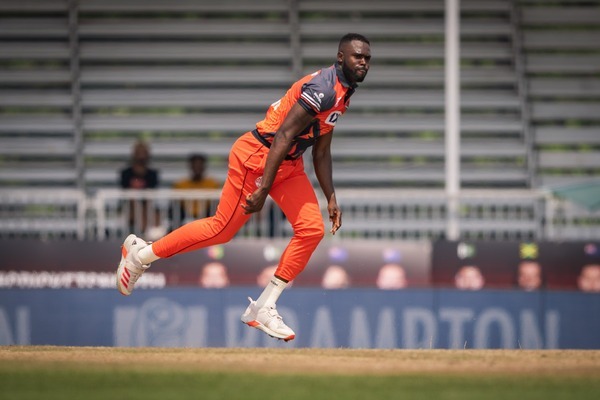
Canada bowler Jeremy Gordon delivered an 11 ball over against the United States during the opening match of the 2024 Men’s T20 World Cup on 1 June 2024. The 14th over at Grand Prairie Stadium in Dallas cost 33 runs and included three wides and two no balls. Aaron Jones scored 94 off 40 balls, hitting 10 sixes.
The United States won by seven wickets after chasing Canada’s total of 194 for 5. Gordon’s over gave Jones additional opportunities to attack and became one of the most expensive overs of the tournament. It also illustrates the difference between a long over and an expensive one, as 33 runs came from just 11 deliveries.
10. Barry McCarthy: An 11 Ball Over in the 2026 T20 World Cup
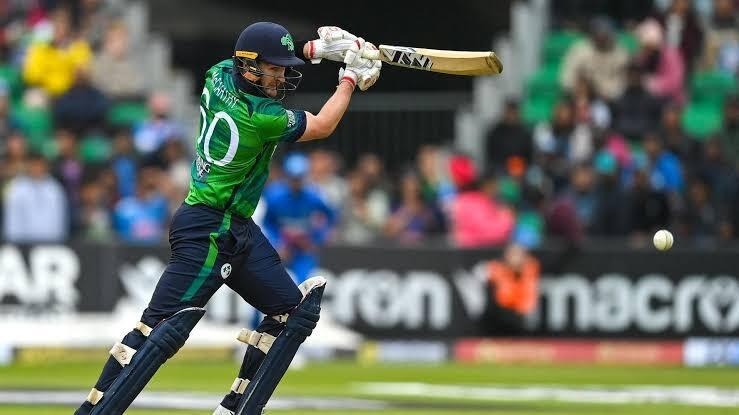
Source: NewsBytes
Ireland bowler Barry McCarthy delivered an 11 ball over against Sri Lanka during the 2026 Men’s T20 World Cup in Colombo. The over cost 19 runs and included four wides and one no ball. McCarthy also took two wickets during the spell, dismissing Kamindu Mendis and Dasun Shanaka.
Sri Lanka finished on 163 for 6 and won the match by 20 runs. Although the over was expensive, the two wickets prevented the batting side from scoring even more freely. McCarthy’s performance shows that an over can be costly while still producing important breakthroughs for the bowling team.
Why Can a Cricket Over Have More Than Six Balls?
- Six legal deliveries are required: A bowler must deliver six valid balls to complete a standard over. Wides and no balls do not count towards those six deliveries.
- Wides extend the over: An umpire calls a wide when a delivery is too far from the batter to be played fairly. The batting side receives an extra run, and the bowler must deliver another ball.
- No balls require another delivery: A bowler can be called for a no ball for overstepping the crease or committing another bowling infringement. The penalty adds runs, and the delivery must be repeated.
- Repeated errors increase the ball count: If a bowler delivers several wides or no balls in succession, the over can extend to 10, 15 or even more deliveries. Each illegal delivery gives the batting side another scoring opportunity.
- An innings can end before the over is complete: If the batting side reaches its target or the innings ends before six legal deliveries have been bowled, the over can remain incomplete.
Is the Longest Over Also the Most Expensive Over?
No. The longest over is measured by the number of deliveries, while the most expensive over is measured by the runs conceded. Bert Vance’s 22 ball over is remarkable for both reasons because it cost 77 runs in a first class match.
The record for the most runs in a Test over is a separate achievement. In 2022, Jasprit Bumrah scored 35 runs off Stuart Broad in a Test against England at Edgbaston. That over became famous for its boundaries and extras, but it is a different record from the longest over by deliveries.
FAQs
Bert Vance bowled the famous 22 ball over for Wellington against Canterbury in 1990. The over cost 77 runs and remains one of the most extraordinary incidents in first class cricket.
John Hastings bowled an 18 ball over for Australia Champions against Pakistan Champions in the World Championship of Legends in July 2025. The over included 12 wides and one no ball.
Naveen ul Haq bowled a 13 ball over against Zimbabwe in December 2024, conceding 19 runs. Arshdeep Singh matched that delivery count against South Africa in December 2025, conceding 18 runs.
Wides and no balls do not count towards the six legal deliveries required to complete an over. The bowler must continue until six legal balls have been delivered, unless the innings or match ends first.
No. During the 2014 Asia Cup match against Bangladesh, Pakistan spinner Abdur Rehman bowled three illegal high full tosses and conceded eight runs without delivering a legal ball. He was removed from the attack, making this a separate incident rather than an 11 ball over.
Conclusion
Bert Vance’s 22 ball over remains one of cricket’s most remarkable records, followed by John Hastings’ 18 ball over and Mohammad Sami’s 17 ball ODI over. Other notable incidents involving Curtly Ambrose, Daryl Tuffey, Scott Boswell, Naveen ul Haq, Arshdeep Singh, Jeremy Gordon and Barry McCarthy show how repeated illegal deliveries can change the course of an innings.
These incidents highlight the importance of bowling accuracy alongside pace and variation. Wides and no balls extend overs, provide batters with additional scoring opportunities and put pressure on the fielding side. The longest over and the most expensive over are separate records, each measuring a different aspect of bowling performance.